Landscape Maintenance Tips for Better Drainage and Erosion Control
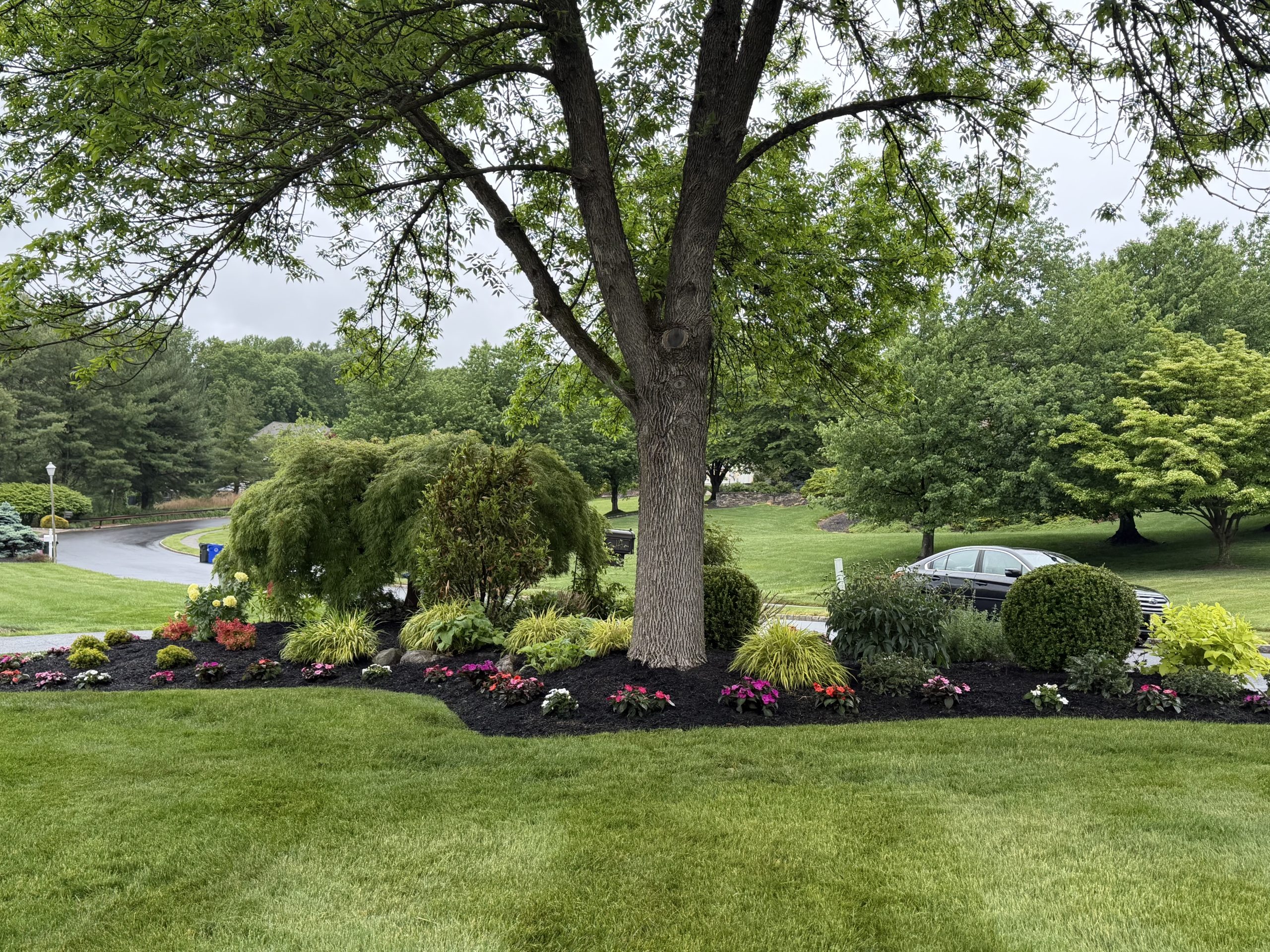

Water has a way of exposing weak spots in a landscape. A yard can look tidy for months, then one hard rain reveals everything at once: standing water near the foundation, mulch washed into the sidewalk, bare soil on a slope, and turf thinned out where runoff keeps carving the same path. Most drainage and erosion problems do not begin as dramatic failures. They start with small maintenance gaps that compound over time.
That is why good drainage and erosion control are closely tied to routine Landscape Maintenance. The work is not always glamorous. It often looks like cleaning out a swale, resetting an edging line, correcting a downspout discharge point, topdressing a worn area, or pruning back growth that is choking a drainage path. These are modest tasks, but they affect how water moves across the property, how quickly it infiltrates, and whether soil stays where it belongs.
On most sites, the goal is not to remove water as fast as possible. The better goal is to manage it with intention. Some water should soak into the soil. Some should be slowed. Some should be redirected away from structures and toward stable, planted areas that can handle periodic moisture. The right maintenance approach depends on grade, soil type, plant material, hardscape layout, and the intensity of local storms. A flat suburban lot with compacted clay behaves very differently from a sandy coastal property or a steep hillside backyard.
The first thing to understand is where the water actually goes
Many property owners guess wrong about drainage because they only observe the yard on dry days. A proper assessment happens during or right after rain, ideally during a moderate storm and again https://blogfreely.net/scwardnsuq/professional-landscape-maintenance-secrets-for-lasting-curb-appeal during a heavier event. I have seen landscapes that seemed fine in calm weather but developed four separate flow paths during a thirty-minute downpour. One downspout emptied into a bed that had gradually risen above the adjacent walk from years of added mulch. Water jumped the edging, ran across the pavement, and collected in a low point near the garage. Nothing about that problem required a major rebuild. It required noticing the pattern and restoring grades that had drifted.
Start by watching how runoff leaves roofs, paved areas, and slopes. Notice where it accelerates, where it ponds, and where sediment collects. Sediment tells a story. If you see soil at the base of a hill, mulch piled against a curb, or gravel washed out of place, water is carrying material with enough force to reshape the site. That is a maintenance issue until it becomes a repair project.
It also helps to know your soil. Clay tends to drain slowly and compact easily, so shallow puddling is common even when the grade looks acceptable. Sandy soil drains faster but can erode quickly on slopes if vegetation is thin. Loam is usually more forgiving, though even good soil can fail when it is compacted by foot traffic, parked equipment, or repeated mowing in wet conditions.
Small grading problems often cause the biggest headaches
In landscape work, half an inch matters. A subtle depression beside a patio can become a pocket that traps runoff. A bed edge that rises too high can act like a miniature dam. Added layers of mulch can slowly change surface elevations, especially around planting beds near sidewalks, driveways, and foundations.
One common issue is grade creep. Over the years, compost, mulch, and displaced soil build up in beds until the surface is too high relative to surrounding hardscape. During rain, water takes the easiest route, and suddenly the bed sheds runoff instead of receiving it. I have corrected this by removing excess material, reestablishing a shallow basin shape, and making sure the finished grade sits below adjacent pavement. It is simple work, but it restores the bed’s ability to catch and slow water.
The same principle applies near buildings. The ground should usually slope away from the foundation, but maintenance can unintentionally flatten that pitch. Decorative stone, edging changes, or repeated topdressing may alter the original grade. If you see water lingering near the house, do not assume the fix is underground. Sometimes the answer is a careful regrading of the top few inches.
Keep drainage paths open, visible, and boring
A good drainage system is not something you should have to think about often. It works because water has a clear path with enough capacity, a stable outlet, and no obstructions. The problem is that landscapes are alive and always changing. Plants spread, roots heave, debris accumulates, and decorative improvements get added without considering runoff.
Swales are a good example. A swale is meant to carry shallow surface flow, but over time it often disappears. Homeowners fill it in because they want a flatter lawn. Contractors dump extra soil there while doing another project. Ornamental grasses flop into it. Leaves settle and rot in the low point. A swale that was once subtle but functional becomes invisible and useless.
Routine maintenance should include preserving these intended flow lines. That may mean reshaping the swale, removing sediment, thinning plant growth at the edges, and keeping discharge points free of debris. Surface drains need the same attention. A drain basin buried under mulch or blocked by leaves cannot intercept runoff when it matters.
The less dramatic the path, the better. Water should move where you expect it to move. Surprise channels across turf or through planting beds usually mean the designed route is obstructed or overwhelmed.
Mulch helps, until it starts floating away
Mulch plays an important role in erosion control. It protects bare soil from raindrop impact, reduces surface crusting, moderates temperature, and helps retain moisture for plants. But not every mulch behaves the same way under flowing water. Lightweight shredded products can migrate in storms, especially on slopes or in beds that receive downspout discharge.
I have had better results on vulnerable slopes with heavier shredded hardwood, pine straw installed with good tack on gentler grades, or a combination of mulch and dense groundcover planting. In high-flow areas, loose mulch may not be the right surface at all. Gravel can work in some settings, though it introduces other maintenance issues and can still move if the flow is concentrated. The point is not to choose the prettiest material in isolation. Choose a material that fits the way water behaves on that site.
Depth matters too. Two to three inches is often enough for plant health and soil protection. More than that can smother roots, hold too much moisture against stems, and create a layer that lifts and shifts during storms. When mulch migrates, it is not just a cosmetic nuisance. It exposes soil, clogs drains, and deposits organic matter where you do not want it.
Planting density is one of the best long-term erosion controls
Bare soil loses the battle quickly. The surest way to hold soil in place is with living roots. Dense planting intercepts rainfall, slows overland flow, and improves soil structure over time. On slopes, this is especially important. Turf alone can work on mild grades if it is healthy and well-rooted, but steep or irregular slopes often perform better with a mix of groundcovers, shrubs, and deep-rooted perennials.
A newly installed slope is always the most vulnerable. Until plants establish, the site needs temporary protection. That might be mulch, biodegradable erosion control blanket, jute netting, or strategic watering to help roots knit the soil without causing washouts. I once saw a freshly planted embankment fail after a week of overwatering from spray heads set too high. The irrigation created the erosion before the weather did. Good maintenance means thinking about every source of water, not just rainfall.
Plant selection should match the moisture pattern. Areas that stay wet after storms need species that tolerate periodic saturation. Dry upper slopes need plants that can survive runoff without frequent irrigation. If the plant palette fights the site, maintenance becomes constant and the erosion problem never really settles down.
Downspouts deserve more attention than they get
Roof runoff delivers a surprising amount of water in a short time. Even a modest roof section can dump hundreds of gallons during a strong storm. If downspouts discharge too close to the house, onto bare soil, or toward a slope without protection, they create concentrated flow that quickly becomes an erosion problem.
Extensions, splash blocks, tightline piping, and level spreaders all have their place. What matters is whether the discharge point is stable. A downspout that empties onto mulch at the top of a bank will eventually carve a channel. A downspout directed into a bed can work well if the bed is sized properly, the soils infiltrate reasonably well, and the overflow route is understood.
During Landscape Maintenance visits, I always look at the end of the downspout run. That is where the evidence shows up. If soil is exposed, stone is displaced, or plants are flattened in the same direction, the outlet needs improvement. Ignoring it usually means a larger repair later.
Turf care affects runoff more than people expect
Healthy turf can absorb and slow rainfall better than thin, compacted grass. The trouble is that many routine lawn practices make runoff worse. Cutting too short weakens roots. Repeated traffic on wet ground compacts soil. Overwatering keeps the surface soft, then hardens it into a crust when it dries. Clippings piled near inlets can block drainage.
Aeration can help on compacted lawns, particularly on clay soils, but it is not magic. If the grade is wrong, or if runoff is being concentrated from a roof or driveway, aeration alone will not solve ponding. It is one tool among several. Topdressing with compost after aeration can improve infiltration over time, provided it is done lightly and evenly.
One of the more avoidable mistakes is mowing when the ground is saturated. The ruts may seem minor at first, but they create channels that guide future runoff. I have seen mower tracks turn into standing-water ribbons after repeated storms, especially in new construction lawns where subsoil compaction is already severe.
Hardscape edges often trigger hidden erosion
Patios, walkways, retaining walls, and driveways all influence drainage. Water accelerates off hard surfaces, and the edges where pavement meets soil are common failure points. If the adjoining bed is lower than the pavement and stable, that can be fine. If the edge is undermined, poorly compacted, or missing vegetation, runoff begins to scour.
Paver joints and gravel shoulders also need maintenance. Once fines wash out, more movement follows. A walkway may settle on one side, sending even more runoff to the low edge. Retaining walls should be checked for signs of pressure buildup, such as bulging sections, staining, or water escaping through unintended spots. Sometimes the issue is behind the wall, where clogged drainage aggregate or blocked outlets are holding water where it should not remain.
This is where experience matters. Not every wet spot near hardscape means failure. Some surfaces are designed to shed water quickly. The question is whether the receiving area can handle that water without losing soil or damaging plants.
Irrigation can quietly undermine erosion control
Rain gets blamed for problems that irrigation causes every day. Spray heads that hit pavement instead of planting beds waste water and add runoff. Rotors with poor coverage create dry patches and saturated patches in the same lawn. Drip systems with broken emitters can concentrate flow in one spot for weeks before anyone notices.
The maintenance standard should be simple: apply water at a rate the soil can absorb. That usually means shorter cycles, adjusted timing, and seasonal changes rather than a fixed schedule. On slopes, cycle-and-soak programming is often more effective than one long run time. It gives water a chance to infiltrate before the next cycle starts.
If a property has frequent erosion despite moderate rainfall, look at the irrigation records and controller settings. I have seen landscapes on automatic schedules receive far more water than they needed during humid weeks, leading to runoff, disease pressure, and washed mulch even without a major storm.
A practical inspection routine after heavy rain
The best maintenance crews and the most attentive property owners share one habit: they inspect the site after weather events. That is when drainage problems declare themselves clearly. A ten-minute walk can reveal what a month of dry-weather observation misses.
- Check where roof water exits and where it ends up.
- Look for fresh sediment, exposed roots, or mulch piled against edges.
- Note any standing water that remains longer than a day in planted areas, or longer than a few hours on compacted turf or pavement margins.
- Inspect drain grates, swales, and curb cuts for blockages.
- Photograph recurring trouble spots so you can compare changes over time.
Those photos are more useful than people expect. They help distinguish a one-off storm effect from a pattern that is getting worse. They also make it easier to decide whether maintenance is enough or whether redesign is necessary.
When maintenance is enough, and when it is not
Not every drainage issue needs excavation, piping, or engineered structures. Many can be improved significantly through consistent Landscape Maintenance. Regrading minor depressions, adjusting downspout outlets, restoring bed edges, improving plant cover, reducing compaction, and clearing drainage routes solve a large share of everyday problems.
Still, there is a point where maintenance alone cannot carry the load. If water enters a crawl space or basement, if a slope continues to move, if retaining structures show distress, or if runoff from adjacent properties overwhelms the site, a larger intervention may be required. French drains, catch basins, dry creek channels, retaining solutions, or professionally designed stormwater features may be part of the answer. In those cases, maintenance remains essential, but it supports a stronger underlying system.
The mistake I see most often is using maintenance as a substitute for correction when the site design is fundamentally flawed. The second most common mistake is the opposite, assuming every wet area needs construction when better upkeep would have stabilized it.
Common warning signs that should not be ignored
Some symptoms deserve quick attention because they suggest the problem is advancing.
- Soil or mulch repeatedly washing onto pavement after ordinary rain
- Channels forming in the same place on a slope or lawn
- Water pooling near the foundation, steps, or garage
- Plant crowns exposed by soil loss, or shrubs leaning downhill
- Cracks, settlement, or undermining along hardscape edges
One isolated sign may not mean crisis. Several together usually do. The longer these conditions persist, the more expensive they become to correct.
Seasonal timing makes maintenance more effective
Drainage and erosion control work best when timed to the landscape calendar. Late winter and early spring are useful for reshaping grades, clearing drainage paths, and preparing beds before heavy growth begins. Spring is also the time to catch runoff issues triggered by seasonal rains. Summer demands closer attention to irrigation management and mulch movement after thunderstorms. Fall is ideal for leaf removal from swales, inlets, and drain grates, and for strengthening plant cover ahead of winter storms. In colder climates, freeze-thaw cycles can open gaps at edges and outlets, so late winter inspections matter.
There is also a labor advantage to good timing. Correcting a bare slope is easier before erosion deepens. Cleaning a drain basin is easier before sediment hardens. Reworking a bed edge takes less effort than rebuilding a washed-out planting area. Timely maintenance is almost always cheaper than deferred repair.
The best results come from treating water as part of the landscape design
People often think of drainage as separate from planting and appearance. In practice, the healthiest landscapes make water management almost invisible. Beds are shaped to receive runoff. Plant selection matches wet and dry zones. Slopes are covered with roots, not left exposed between scattered shrubs. Decorative stone is used where it can stay put, not where it will be chased across the yard after every storm. Downspout outlets end in stable areas that look intentional, not improvised.
That kind of landscape does not happen by accident. It comes from observing the site honestly and maintaining it with water in mind. A property can be beautifully planted and still fail if runoff has nowhere to go. It can also be technically drained and still erode if the soils are bare, compacted, or constantly disturbed.
The real value of thoughtful Landscape Maintenance is that it closes the gap between design intent and day-to-day reality. Storms test every landscape eventually. When grades are preserved, drainage paths are clear, plantings are dense, and water is directed with care, the site holds together better. Lawns stay usable, beds keep their shape, roots stay covered, and hardscape lasts longer. Those outcomes are not accidental. They are the quiet result of maintenance done well, season after season.
Majestic Mowing & Landscaping LLC
Phone number: +19733975532
FAQ About Landscape Maintenance
What is landscape maintenance?
Landscape maintenance is the ongoing care, cleaning, and upkeep of outdoor green spaces to keep them healthy, safe, and attractive.
Is $100 an hour too much for landscape work?
An hourly rate of $100 is not too much for specialized or professional landscape work, though it sits at the higher end of the standard pricing spectrum.
How much do landscapers charge for maintenance?
For professional landscaping maintenance, homeowners typically pay $100 to $410 per month for recurring services, or an hourly labor rate of $50 to $100 per hour per crew member.