Landscape Maintenance for Large Properties Without the Overwhelm
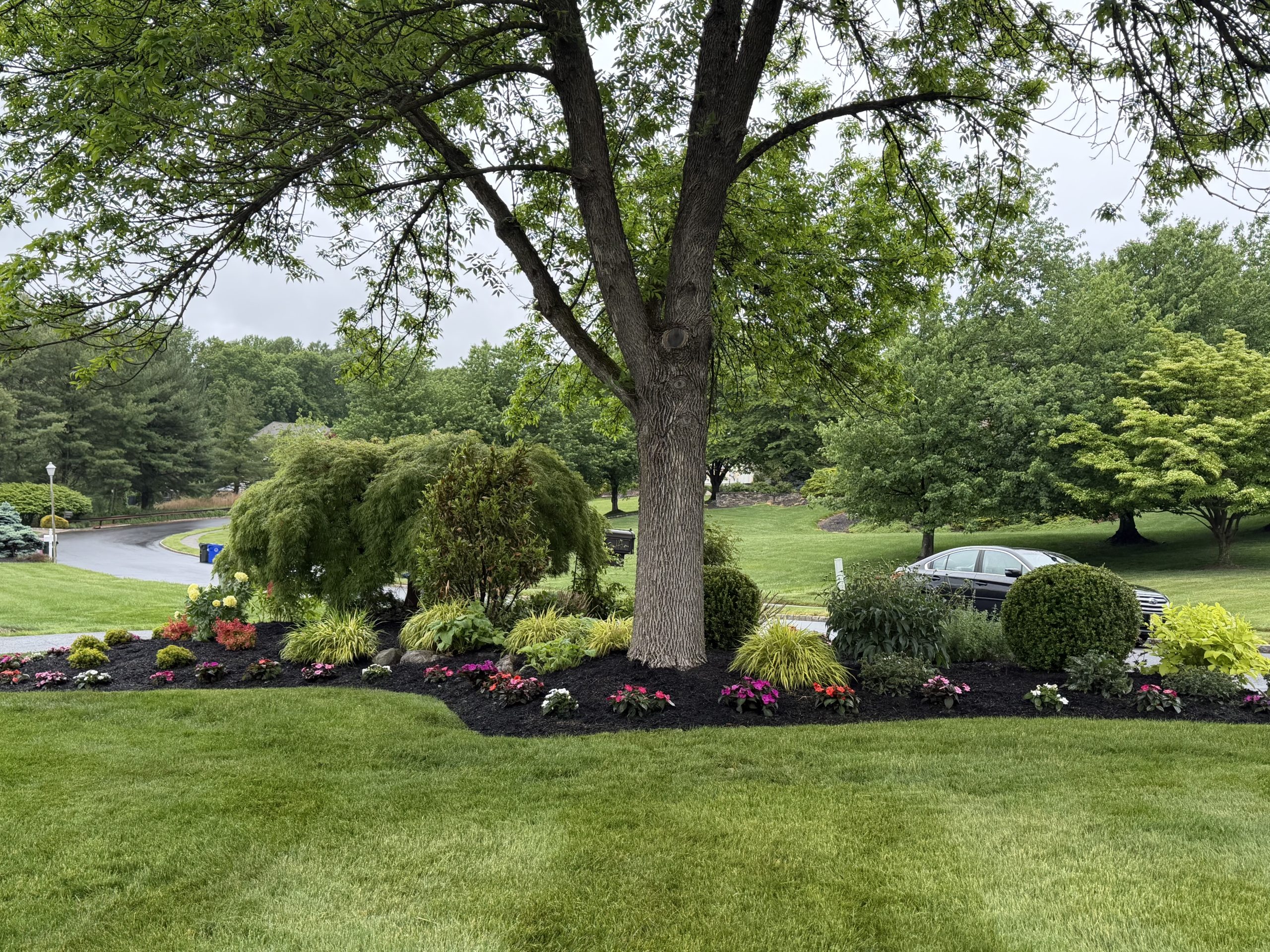
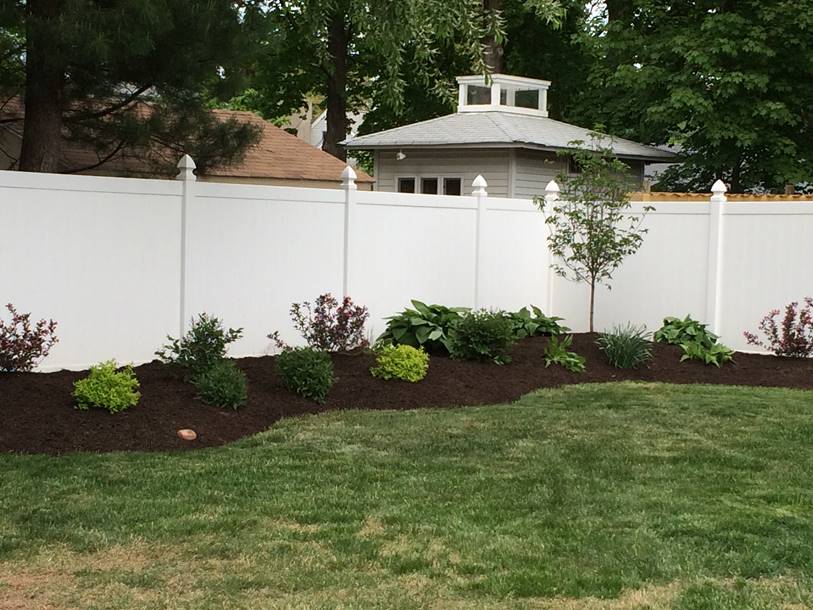
Large properties have a way of turning simple yard work into operations management. A quarter acre can usually be handled with a mower, a trimmer, and a free Saturday. Five acres, ten acres, or a mixed-use estate with lawns, tree lines, ornamental beds, drainage swales, hardscape, and long drive approaches is a different reality. The work is not just bigger. It is more interconnected, more seasonal, and less forgiving when something gets missed.
That is where many owners, property managers, and facility teams get stuck. They think the answer is more effort. Usually, the answer is more structure.
Good Landscape Maintenance on a large property is not about making every square foot look perfect every day. It is about building a system that keeps the property safe, healthy, presentable, and financially manageable across the whole year. When that system is in place, the work stops feeling endless. You know what matters now, what can wait, and what costs more if ignored.
Why large properties become unmanageable so quickly
The overwhelm usually starts with a false assumption that all areas deserve the same level of care. They do not. A front entrance, a customer-facing lawn, or a high-visibility gathering area should not be maintained the same way as a remote perimeter slope or the back edge of a retention area. Yet many maintenance plans treat the whole site as one giant uniform task list. That approach burns labor hours and still leaves important areas under-served.
The second problem is timing. On larger grounds, tasks have windows. Miss the window and the job gets harder or more expensive. Let weeds mature in mulched beds for two extra weeks during warm weather and hand-pulling turns into a half-day crew project. Delay pruning on shrubs that frame walkways and suddenly you are dealing with sightline and access issues. Wait too long to edge paved borders and the site starts to look untidy even if the turf is healthy.
Then there is travel time. This gets overlooked all the time. On a sprawling property, crews lose hours just moving people, equipment, and debris from one zone to another. The work itself may be straightforward, but the logistics are what drive fatigue and inefficiency. If tools are staged poorly or green waste has to be hauled across long distances, even small jobs become bigger than they should be.
I have seen this most clearly on institutional campuses and large residential estates. The owners were not lazy, and the crews were not unskilled. The problem was that nobody had defined the property in terms of priorities, frequencies, and standards. Once that framework existed, the same teams often got better results with less stress.
Start with zones, not chores
The cleanest shift you can make is to stop thinking in terms of isolated chores and start thinking in zones. A large property is easier to maintain when it is divided by function, visibility, and intensity of care.
A main entry corridor may need weekly grooming because it sets the tone for the entire property. A recreation lawn may need attention driven by use and irrigation performance. Woodland edges may only require seasonal inspection, invasive control, and hazard monitoring. Utility areas may need weed suppression and access clearance more than aesthetic refinement.
This is not just a planning exercise. It changes how you spend money.
When every area gets the same pass, crews tend to over-maintain low-value spaces and under-maintain high-value ones. The result is a property that still feels neglected despite a substantial budget. Zoning lets you direct labor where it is visible, necessary, or risk-sensitive. That is a much smarter use of time than mowing every patch to the same standard or touching every shrub on a fixed date.
A practical zoning map does not need to be complicated. In fact, the best ones are often simple enough that any crew lead can understand them at a glance. Think of the site in broad categories such as formal areas, active use areas, transitional spaces, naturalized zones, and infrastructure edges. Once those categories are clear, maintenance frequencies become much easier to assign.
The standard matters more than the schedule
People often ask for a weekly or biweekly maintenance plan, as if frequency alone will solve the problem. Frequency helps, but standards matter more. If nobody has defined what “acceptable” looks like, more visits just produce more motion.
For example, a lawn standard might include mowing height, clipping management, edge definition, and acceptable weed presence. A bed standard might include mulch depth range, weed threshold, pruning intent, and seasonal color expectations. Tree care standards might include inspection intervals, clearance over drives and walks, staking removal timing, and response rules after storms.
Without standards, one crew mulches to four inches, another to one inch, and a third blows it off the walk and calls it done. One person prunes shrubs into tight globes because it looks tidy, another lets them sprawl naturally because it looks healthier. Both may be acting in good faith, but the property ends up inconsistent.
Standards also protect budgets. When expectations are vague, scope creep follows. Suddenly “maintenance” includes renovation work, restorative pruning, drainage troubleshooting, and emergency cleanups that should have been separate line items. Clarity helps everyone. Owners know what they are paying for. Crews know what they are responsible for. Managers can spot problems before they become expensive.
Build the year around seasonal pressure points
Large properties do not need every task performed every month. They do need the right tasks performed in the right season. The easiest way to reduce overwhelm is to identify the moments in the year when small actions have outsized value.
Here are the seasonal pressure points that deserve close attention:
- Early spring, when cleanup, bed definition, pre-emergent timing, irrigation startup, and selective pruning shape the next six months.
- Late spring into early summer, when mowing growth surges, weeds accelerate, and irrigation problems become visible fast.
- Mid to late summer, when plant stress, hot spots, disease pressure, and labor fatigue can quietly erode property quality.
- Fall, when leaf management, cutbacks, aeration where appropriate, and storm preparation protect both turf and hardscape.
- Winter or the dormant season, when structural pruning, planning, equipment service, and deferred repairs can be handled without fighting active growth.
That rhythm prevents the common mistake of treating July like March or November like June. It also helps you budget labor more honestly. Spring and fall usually require a heavier push. Midsummer often benefits from sharper triage and irrigation oversight rather than broad beautification efforts.
On one multi-acre property I worked on, the owner insisted on equal monthly spending because it felt fair and predictable. It looked tidy on paper, but the grounds suffered. Spring needed twice the labor they were allocating, while parts of winter did not need nearly as much. Once the spending was adjusted to match seasonal need, the property improved without increasing the annual total.
Mowing is visible, but water usually decides the outcome
People notice mowing first because it is so visible. On large properties, though, irrigation and drainage often have a bigger effect on overall landscape health than mowing ever will. Turf can recover from a delayed cut. It does not recover as gracefully from chronic underwatering, runoff concentration, or wet roots.
That is why irrigation should be treated as a management function, not a side task. Someone needs to know how zones are performing, whether coverage is uniform, where pressure issues show up, and which areas consistently stress first. On expansive sites, dry corners, overspray onto pavement, broken heads, and mismatched nozzles can waste surprising amounts of money while still leaving plants thirsty.
https://brooksfdme351.yousher.com/landscape-maintenance-techniques-for-managing-seasonal-transitionsThe same goes for drainage. If water sits at the base of a slope, cuts a channel along a path edge, or pools beside a planting bed, the problem is not cosmetic. It affects plant health, soil stability, and maintenance efficiency. Wet ground delays mowing, muddies equipment routes, and creates repeated turf damage that crews then chase all season.
A useful rule of thumb is this: if an area looks bad repeatedly despite regular attention, stop assigning more labor and check water first. I have seen teams spend weeks reseeding, weeding, and grooming areas that were failing because a valve was not opening fully or because runoff from a roof leader was saturating the soil.
Reduce labor by changing the landscape itself
Sometimes the most effective maintenance strategy is not a better crew calendar. It is a smarter landscape.
Large properties that feel overwhelming are often carrying legacy design decisions that create unnecessary work. Tiny disconnected beds demand extra edging. High-maintenance annual displays in low-visibility areas absorb hours with little return. Turf on steep slopes is difficult to mow safely and tends to scalp or rut. Fast-growing shrubs planted too close together create a permanent pruning burden.
None of this means a site should become plain or stripped down. It means maintenance should be part of the design conversation. Broad bed lines are faster to manage than jagged ones. Plant masses that mature into their available space need less correction. Tough groundcovers or well-chosen native mixes can stabilize difficult areas that are otherwise expensive to mow. Mulched rings around isolated trees can reduce trimming damage and save time if they are sized correctly and refreshed with restraint.
I once walked a seven-acre property where the owner felt the grounds were “always behind.” The real issue was that the site had dozens of small ornamental islands scattered through open turf, each one requiring edging, mulch, hand weeding, and careful turning with mowing equipment. Consolidating those beds into larger, coherent planting zones did more to simplify Landscape Maintenance than changing vendors ever could.
Know the difference between maintenance and repair
This distinction saves a lot of frustration. Maintenance preserves a reasonably healthy, functional landscape. Repair addresses decline, damage, or deferred care. When the two get blended together, the property never seems to catch up.
A lawn that needs routine mowing and seasonal fertilization is maintenance. A lawn with compaction, thin cover, poor drainage, and broadleaf weed takeover is repair. Shrubs needing light seasonal shaping are maintenance. Shrubs that have outgrown their location and now block windows and paths are repair. Irrigation adjustment is maintenance. Replacing fractured lateral lines and failed heads throughout the site is repair.
Owners often expect a standard maintenance contract to reverse years of neglect. That is rarely realistic. The better path is to separate the work into phases. First stabilize the site. Restore bed edges, address pruning backlogs, correct irrigation failures, remove dead material, and reset key visual zones. Then move into maintenance mode with standards that can be sustained.
That phased approach is easier on budgets and on crew morale. It also produces visible improvement sooner because effort is not diluted across too many unresolved issues at once.
A small amount of recordkeeping changes everything
On a small yard, memory can carry you. On a large property, memory fails quickly. Somebody needs a working record of what was done, what was observed, and what needs follow-up.
This does not require fancy software, though software can help. Even a simple shared log can track irrigation repairs, storm damage, pruning dates, fertilizer applications where appropriate, pest observations, and areas under watch. The point is continuity. If a turf section browns every August, you want that pattern noted. If a drain clogs after every heavy rain, you want that history available. If a stand of trees was inspected and one specimen showed included bark or decay signs, you do not want that living in one person’s head.
Properties lose money when they solve the same problem over and over without learning from it. A bit of documentation turns recurring headaches into manageable patterns.
It also improves communication with vendors and internal teams. Instead of saying, “the back slope always looks rough,” you can say, “the northeast slope struggles after heavy rain, mowing causes rutting when soil stays saturated more than two days, and we have had three erosion repairs near the same swale.” That is a solvable discussion.
When to outsource, and when to keep work in-house
There is no universal right answer here. Some large properties benefit from an in-house team that understands the site deeply and can respond quickly. Others do better with specialist vendors who bring equipment, staffing depth, and technical expertise. Many of the best-run properties use a hybrid model.
Routine appearance work, light cleanup, and daily issue spotting can fit well in-house if there is capable supervision. Specialized tree work, irrigation diagnostics, turf renovation, pesticide applications where legally permitted, and large seasonal cleanups are often better outsourced. Not because internal teams are incapable, but because the work requires specialized tools, certifications, or surge capacity.
The mistake is outsourcing blindly or keeping everything in-house out of pride. The better question is where each model performs best.
These are usually the signals that it is time to rethink who handles what:
- The same maintenance problems recur despite consistent labor.
- Safety-sensitive tasks are being delayed because the team lacks training or equipment.
- Seasonal spikes overwhelm staff and create visible decline elsewhere on the property.
- Costs look steady on paper, but quality and responsiveness keep slipping.
- No one can clearly explain the condition of irrigation, trees, drainage, and high-risk areas.
If you do outsource, be wary of proposals that promise everything in one flat, vague package. On large properties, good contracts define scope, frequencies, exclusions, and response expectations. They also account for the fact that weather and growth patterns vary. A rigid contract that ignores real conditions can create just as much stress as no plan at all.
The hidden value of walking the property slowly
This may sound simple, but it is one of the most practical habits in large-property care. Every few weeks, someone with decision-making authority should walk the grounds slowly, not drive past them, and not just inspect the front approach. Walk with enough time to notice soil moisture differences, mower scalping, failing mulch containment, branch conflicts over paths, sightline issues at entries, and the first signs of decline in less obvious areas.
Large landscapes rarely fail all at once. They drift. A bed edge softens here, a drain clogs there, a row of shrubs starts reaching into a walk, one irrigation zone underperforms, and by the time it is obvious from a distance, the workload has multiplied.
Slow walks catch drift early. They also help separate what is genuinely important from what is merely noticeable. That judgment matters. A property manager can save thousands of dollars over time by addressing the two issues that affect safety and plant health now, and leaving the minor cosmetic issue for the next cycle.
A realistic standard beats a fantasy one
There is a version of landscape care that looks flawless in photographs and turns into misery in real life. It depends on constant intervention, high labor, narrow timing windows, and zero tolerance for natural variation. On very large properties, that standard is usually not sustainable unless the budget is exceptional.
A realistic standard is different. It allows certain remote areas to be less formal. It accepts that weather changes pace. It chooses where neatness matters most and where ecological function can take the lead. It values healthy trees, stable soils, safe circulation, and coherent appearance over perfection in every corner.
That is not settling. It is professional judgment.
The properties that age best are rarely the ones chasing spotless uniformity. They are the ones managed with consistency, restraint, and a clear sense of purpose. Their lawns are cared for where lawns make sense. Their beds are scaled to what can actually be maintained. Their natural areas are intentional, not abandoned. Their irrigation works. Their pruning has a reason. Their crews know the difference between busy work and meaningful work.
When a large property feels overwhelming, the answer is almost never to push harder everywhere. The answer is to decide what the landscape needs to do, divide the site into manageable zones, set standards that hold up in the real world, and let the maintenance plan follow those priorities. Once you do that, Landscape Maintenance becomes less of a constant scramble and more of a discipline. That is when the property starts working with you instead of against you.
Majestic Mowing & Landscaping LLC
Phone number: +19733975532
FAQ About Landscape Maintenance
What is landscape maintenance?
Landscape maintenance is the ongoing care, cleaning, and upkeep of outdoor green spaces to keep them healthy, safe, and attractive.
Is $100 an hour too much for landscape work?
An hourly rate of $100 is not too much for specialized or professional landscape work, though it sits at the higher end of the standard pricing spectrum.
How much do landscapers charge for maintenance?
For professional landscaping maintenance, homeowners typically pay $100 to $410 per month for recurring services, or an hourly labor rate of $50 to $100 per hour per crew member.